
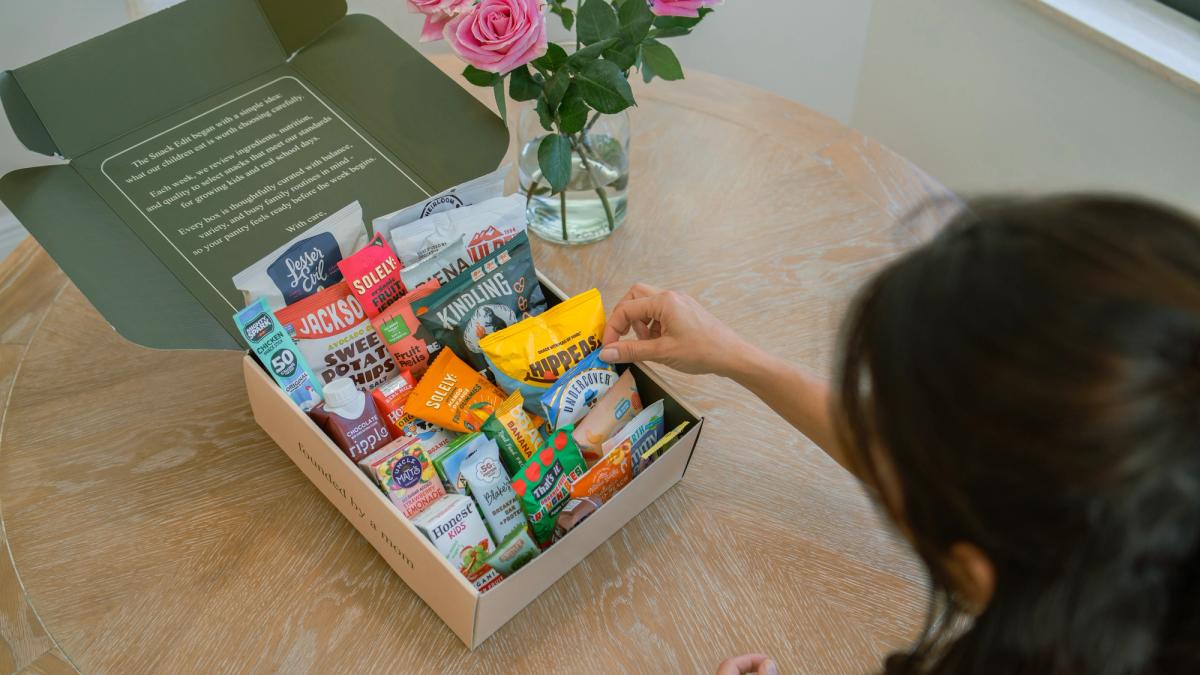
Individually wrapped snacks can make school mornings easier. They are simple to grab, easy to portion, and convenient to tuck into a lunchbox or backpack. But the wrapper itself does not tell you whether a snack is allergy-safe, school-approved, or the right fit for your child.
A practical school-snack routine starts with a few basic checks: read the ingredient and allergen information, know the rules for your child’s school or classroom, look at serving size and packaging condition, and choose foods that actually work for the school day.
If you are building a broader routine, our school snacks for kids guide covers the bigger picture — variety, packability, restocking, and making snack planning easier across the week.
Why individually wrapped snacks are useful for school
The biggest advantage is convenience. Individually packaged snacks can reduce the amount of prep needed in the morning because there is no need to portion every item into a separate container.
They also tend to be easy to:
- store in a pantry or snack drawer;
- grab quickly on busy mornings;
- pack without extra containers;
- send as a single serving;
- identify by the original product label.
That last point matters. When the original package stays with the food, the ingredient list, Nutrition Facts, and allergen information remain available on the item instead of being separated from it.
Still, “individually wrapped” is a packaging format, not a safety or nutrition claim. Two individually wrapped snacks can have completely different ingredients, allergen statements, serving sizes, and nutrition profiles.
Does individually wrapped mean allergy-safe?
No.
Individually wrapped snacks are not automatically nut-free, allergen-free, or safe for a particular child. Families managing food allergies need to read the actual product label every time.
For FDA-regulated packaged foods in the United States, labels are required to identify major food allergens used as ingredients. The nine major allergens recognized under current U.S. labeling rules are milk, egg, fish, crustacean shellfish, tree nuts, wheat, peanuts, soybeans, and sesame.
The FDA also advises consumers to read the full ingredient information rather than relying only on whether a separate “Contains” statement appears. A product can identify an allergen within the ingredient list itself.
Useful official references:
The Snack Edit is not an allergy-free service. Ingredients and allergen information vary by product, and we do not currently offer allergen-based or dietary customization. Families should review each individual product label before serving or packing a snack.
Check the school or classroom policy too
There is no single universal “school-approved snack” rule that applies to every classroom in the United States.
Policies may differ by school, teacher, classroom, age group, or the needs of individual students. Some schools may have specific procedures related to food allergies, shared snacks, certain ingredients, or classroom celebrations.
CDC guidance on food allergies in schools emphasizes the importance of school-level plans for preventing and responding to allergic reactions. That is one reason a snack that is acceptable in one classroom may not be appropriate in another.
For that reason, the safest practical rule is simple: check the policy that applies to your child’s classroom instead of assuming that a packaged or individually wrapped product is automatically approved.
Official reference:
What should parents check on a packaged school snack?
A quick label-and-routine check can tell you much more than the front of the package.
1. Ingredient list
Read the ingredients when there is a food your family avoids or when you simply want to understand what is in the product.
2. Allergen information
Look for major allergen disclosures and read the full ingredient list. If your child has a diagnosed food allergy, follow the guidance from their medical team and the allergy plan used by their school.
3. Serving size and package size
A small package can be one serving, but not always. Checking the serving information helps you understand what the label is actually describing.
4. Nutrition Facts
Rather than judging a snack from one front-of-package phrase, look at the full Nutrition Facts panel and consider how the snack fits into the child’s overall day.
5. Packaging condition
Do not pack items that are visibly open, torn, leaking, or otherwise damaged.
6. The school-day fit
A perfectly good snack at home may be inconvenient at school. Think about whether it is easy to open, easy to eat during the time available, and practical for the lunchbox or backpack.
Are individually wrapped snacks healthier than bulk snacks?
Not automatically.
Packaging tells you how a food is portioned and sold. It does not, by itself, tell you whether the food is healthier or less healthy.
A bulk bag and an individually wrapped version of a similar product can have nearly identical ingredients. On the other hand, two products in the same packaging format can have very different nutrition profiles.
For a more useful way to compare options, see our guide to how to evaluate healthy school snacks. It focuses on the overall pattern, variety, labels, and real-life fit rather than treating one packaging style as a health category.
What kinds of individually wrapped snacks can work well for school?
The most useful answer is usually a mix of categories rather than one “best” snack.
Depending on your child, the school policy, and the products you choose, a practical school-week mix might include:
- fruit-forward bites or fruit-based snacks;
- bars and protein-forward snacks;
- crackers, pretzels, puffs, or other crunchy choices;
- small treat-style snacks;
- shelf-stable small drinks where the school permits them.
Variety can help keep the snack drawer from feeling repetitive while giving families different options for different days.
The exact product matters more than the category name, so labels and school-specific requirements still come first.
Individually wrapped snacks vs. buying full multipacks
Multipacks are convenient when you already know your family likes a specific product. The tradeoff is repetition.
Building a varied snack drawer one multipack at a time can also mean buying several full boxes or bags at once, using more pantry space, and ending up with leftover products that one child stops wanting.
A curated assortment solves a different problem: variety without having to build the mix one full multipack at a time.
That is the idea behind The Snack Edit. Our curated kids snack box options combine multiple snack styles in Box and Family Box sizes, available as One-Time purchases or Weekly refills.
How The Snack Edit uses packaged school snacks
The Snack Edit is designed around a school-week routine rather than one single type of snack.
Our current sizes are:
- Box: 12 snacks + 3 small drinks
- Family Box: 20 snacks + 5 small drinks
Selections vary by Edit and availability. The assortment can include categories such as Protein-Forward Picks, Fruit & Fiber, Crunchy & Savory, Drinks, and Better Sweets & Treats.
We do not promise that every item is appropriate for every child, every allergy, or every school policy. The practical goal is balanced variety and less work rebuilding the snack drawer one product at a time.
You can see examples of real assortments in our Inside the Box archive, or read more about how we build a school snack box for a real school week.
Frequently asked questions
Do school snacks have to be individually wrapped?
Not universally. Some schools or classrooms may prefer or require certain packaging formats, while others may not. Check the rules for your child’s specific school or classroom rather than assuming one standard applies everywhere.
Are individually wrapped snacks allergy-safe?
No. Individual packaging does not make a food allergen-free. Read the product’s ingredient and allergen information and follow your child’s allergy plan and school requirements.
Are packaged snacks okay for school?
They can be. Packaging alone does not determine whether a snack is appropriate. Consider the product label, school policy, your child’s needs, and whether the snack is practical for the school day.
What are good individually wrapped snack categories for school?
Useful categories can include fruit-forward snacks, protein-forward bars or bites, crackers and other crunchy snacks, small treats, and school-permitted drinks. The best mix depends on the child, the school rules, and the products themselves.
The simple takeaway
Individually wrapped snacks can make school-week planning easier, but the wrapper is only one part of the decision.
The most useful checklist is straightforward: read the label, check the school policy, choose products that fit your child, and keep enough variety on hand to make the routine sustainable.
For the broader system behind that approach, start with our school snacks guide.